Calculating ProfitFor Texas owners
Dallas is home for this practice. Texas owners meet us on a video call, and a shop in any county keeps the same close date.
Send the month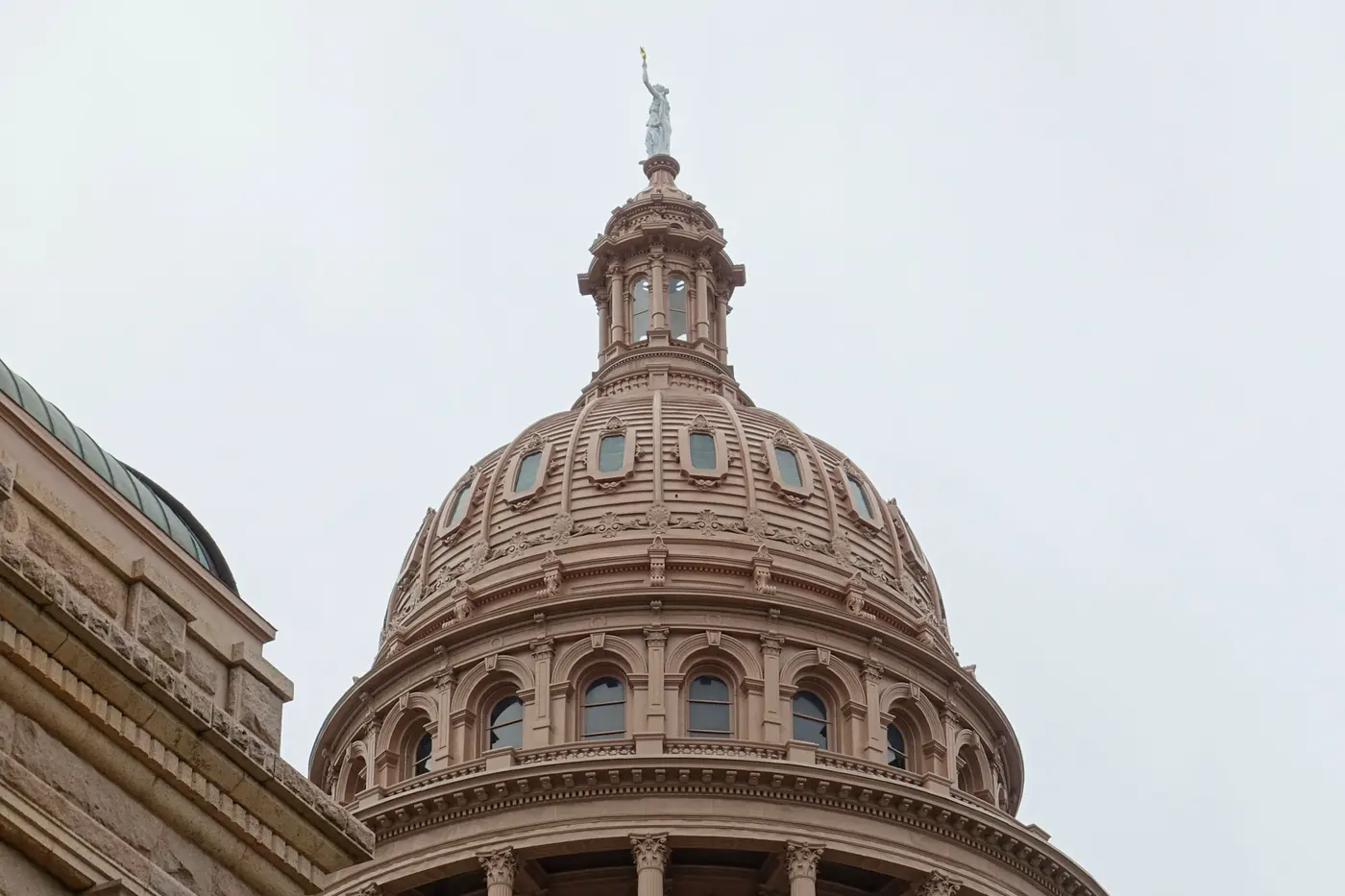
Dallas, and the rest of the state
We are based in Dallas. The screen is the visit. Nothing on this page claims a room in your town, and we do not say we live on your street or that we walked your square. Past Dallas and Fort Worth, the line we actually use is a simple one. We are all Texans. We can appreciate the same sky, and we still work remotely. The file is shared. The close date does not slide because the owner lives in another county.
Owners across Texas meet us on that same video call. A county we have not named is still a county we can serve. We still put a date on that month, and we say the date out loud. Should the date move, the call comes from this practice, not from a quiet inbox.
The address in the name of this site is the calculation. The place of the practice is Dallas. Those are two different facts, and this page is where the second one lives.
A front, and the wages that stay
Every Texan knows the first blue norther. That same sky is one Dallas already taught us. A front can wipe out a week of jobs, and the close date already set does not slide. A norther can shut a week and still leave the wages inside operating profit, because the cost already happened in the period the work belonged to.
Every Texan has watched a front rearrange a week. We know that feeling. The wages remain a cost of that period. The second profit word does not get kinder because the weather was unkind. Gross still comes off first, on the jobs that did happen, and then the wages leave at the next word.
Sales tax in the till until the 20th
Sales tax sits in the till until the 20th. Every Texan who sells something has felt that date. Every Texan who rings up a taxable sale has money in the till that is not theirs. We feel the temptation to count it. We do not. We ask whether the money was ever yours.
Statewide, the sales-tax share the Comptroller prints is six and one quarter out of each hundred. A city or a transit authority can add its own piece, never more than two percent, and the stack of state plus local is capped at eight and one quarter percent. Those figures are copied from the Comptroller sales tax page, and they are looked up again for the town named on a return. There is no private edition of the state sales tax. A statewide rate with no Comptroller page beside it does not stay up.
We would rather say the month is still open than hand over a kind number that will not survive the 20th. The worry of a letter from the Comptroller is smaller when the payable was already named. The letter is loudest when the till was treated as profit and the money is already gone. Profit is whatever remains after that money is treated as someone else's.
The May report reads a margin
The May report reads a margin, and every Texan who files it knows that margin is not the bank. We read both columns and we do not let the bank answer for the margin. The franchise report in May will ask for a margin from the year that already closed, and that margin cannot be invented after the year has locked.
For report years 2026 and 2027 the Comptroller franchise page prints a line of 2,650,000 dollars under which no franchise tax is due. Shops classified as retail, and shops classified as wholesale, each pay three-eighths of one percent of margin. A business outside those two classes pays three quarters of one percent. Put the report in by the fifteenth day of May. When that fifteenth day lands on a weekend or a holiday, the following business day is the day that counts. Four ways exist to compute that margin. The opening computation keeps seventy out of every hundred from total revenue and drops the rest. Revenue after the goods cost is a second way. Revenue after compensation is a third way. Revenue after a flat 1,000,000 dollars is the fourth way. It is a cousin of the four profit words. It is not a printout of the bank.
A loan that made a Friday feel rich does not answer that report. Every Texan who has watched a deposit land and felt richer for an afternoon knows the feeling. We know it too. The work is to say which column actually moved. A lively spring balance does not answer a question about last year. Use the report year they named, and use the rate that year carries, rather than a rate remembered from a busier spring. The cutoff and the rates are the Comptroller's figures for those years. They are not a promise about one company's result.
Filing the report past the deadline costs 50 dollars, and that charge lands even if the margin produced no tax. Tax that arrives anywhere from a day late through day thirty costs an extra five percent of the tax. Once the tax itself is more than thirty days past due, the penalty becomes one tenth of the tax. The franchise pages the Comptroller publishes are where those three charges are printed. A sentence about them stays only while that page still prints them.
No tax on personal income, and the April list
Texas does not lay a tax on personal income. Every Texan feels the relief in that, and so do we. The federal return still reads the closed months, and the relief does not close the books by itself.
Equipment the business owns is listed with the appraisal district. Most years that list is due by the middle of April, and a written request can move that date later. Anyone who has owned a truck or a cooler knows that list. We ask whether it still matches what the books say is owned. If the books say you sold the truck, the list should not still be proud of it.
The income tax return, the May margin report, and the April list of equipment can all be true and still disagree. The return reads the closed months. The margin report reads the base the franchise rules ask for. The equipment list reads what the business still owns. A truck sold in June has to leave all three, or the books, the margin, and the appraisal district are telling three stories about one truck.
What the pages may do, and where the rates come from
Preparing a return, talking through a management choice, and handing you plain statements are what Texas allows this practice to do. The permission that signs an assurance report is not one we hold. An audit, a review, or a compilation still belongs with a firm that holds that work. We will say that before a month is booked.
Texas dates and rates on this page are taken from Comptroller pages and checked before a sentence is allowed to stay. Comptroller pages for sales tax and the franchise report are the public sources, along with the federal pages that set estimate dates. When a law is the source, the public idea is named in the same breath. A recollection is not a source.
The photograph on this page is the pink granite dome of the Texas State Capitol in Austin, with the figure at the top of the dome. It is a real building in Texas. The other pages of this site carry federal forms, because those pages are for an owner in any state. None of those forms pretends to be a Texas town.
Send the Texas month
Name the month, and say whether the till, the May margin, or the April list is the open question.

You will be talking to the Steven Palmieri practice.